Every September 1, somewhere between two-thirds and 70% of all leases in the city of Boston end and begin on the same calendar day — a synchronization so extreme that in 2023 alone it produced 38 tons of curbside waste and roughly 1,700 abandoned mattresses in a single 48-hour window. Locals call it Allston Christmas, named for the student-dense neighborhood where the scavenging is heaviest, and it's not a new phenomenon: the Boston Globe was describing the "mad scramble" of the city's citywide Moving Day as far back as 1925. No other major American city runs its rental market on anything close to this kind of single-day synchronization.
The mechanism is straightforward. Greater Boston is home to more than 100 colleges and universities and roughly 250,000 students, and decades ago landlords standardized lease terms around the September academic calendar rather than fighting it. The result is a housing market that behaves less like a normal city and more like a single, massive, synchronized reset button — and a reset that large, hitting that much of the population at once, does something to the dating calendar that's worth naming directly.
A lease is also a decision point
For any two people living together, or considering it, a fixed, citywide lease-renewal date is a forcing function. Staying in an apartment past August means actively choosing to sign another year, together, on a specific date everyone in the building already knows is coming. It's a considerably more concrete decision point than the vague sense of "checking in" that most relationships work through gradually — Boston's rental calendar builds a hard deadline into the relationship whether either person asked for one.
That cuts both ways. For a couple genuinely ready to formalize things, a shared September 1 lease is a real, practical way of doing it. For a relationship that's been drifting without either person wanting to have the harder conversation, the same date can force the issue months before it might have otherwise come up on its own. Multiply that by the sheer number of leases turning over on the same day, and Boston effectively runs an annual, citywide relationship-status audit that most cities never have to go through all at once.
What that means for who's actually dating in October
The practical result shows up on the other side of the reset. A city where a huge share of leases, and by extension a meaningful share of cohabitating relationships, get evaluated on the same late-summer date produces a genuinely different September and October than most cities see — a stretch where a real number of people are newly single, newly relocated, or newly living alone for the first time in a while, all roughly simultaneously, layered on top of the more than 40,000 students newly arrived or newly returned to the city for the fall semester.
This is a different mechanism than the general "college town churn" that shapes Boston dating year-round — it's not a gradual academic-calendar drift, it's a specific, dateable, citywide event with a measurable before and after. Moving-truck permit data bears this out directly: the City of Boston has recorded well over 1,200 combined moving permits filed for August 31 and September 1 alone, compared to an average of roughly 37 permits on any other day of the year — a more than thirtyfold spike concentrated into 48 hours.
Where a structured evening actually fits into this calendar
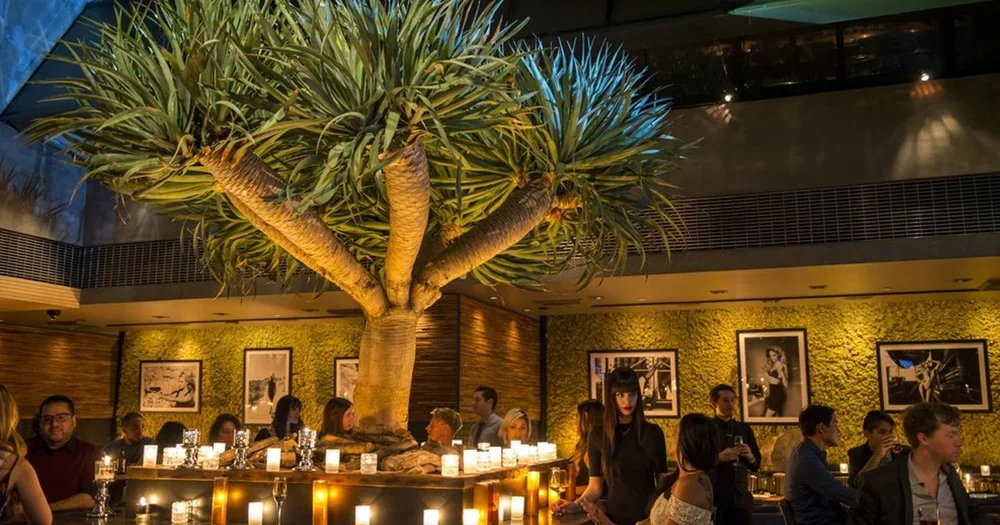
None of this is a reason to avoid dating in Boston in the fall — if anything, it's closer to the opposite. A season with this much simultaneous transition also means a season with a genuinely large number of people newly motivated to meet someone new, at a moment when the rest of the city is equally aware that late summer just reshuffled a meaningful share of who's living where and with whom. Relish's Boston evenings, run at venues like Time Out Market Boston and Scholars American Bistro and Cocktail Lounge, don't chase this cycle explicitly, but the timing works in their favor by default: a curated evening in late September or October is landing in exactly the stretch of the year when Boston's dating pool is at its most freshly reshuffled.
Matching still runs through Relish Select, the platform at events.mycheekydate.com — private selections submitted at the end of the night, mutual interest connected the next day — the same mechanism regardless of which month someone shows up in. What changes with the calendar isn't the format. It's who's actually in the room.
What Allston Christmas actually says about Boston
Most cities' dating patterns shift gradually with the seasons — a slow drift toward more activity in spring, less in the dead of winter. Boston's is different because its housing market genuinely resets on a single day, for a genuinely enormous share of the population, in a way no other major American city's does. That's not a metaphor about the dating scene. It's a literal, dateable, measurable fact about the city's real estate market that happens to reshape a real slice of who's single, who's newly on their own, and who's newly in the city — all within the same 48-hour window every single year.
Relish hosts structured social evenings across Boston, and offers curated matchmaking through Luvo. Find an evening near you →