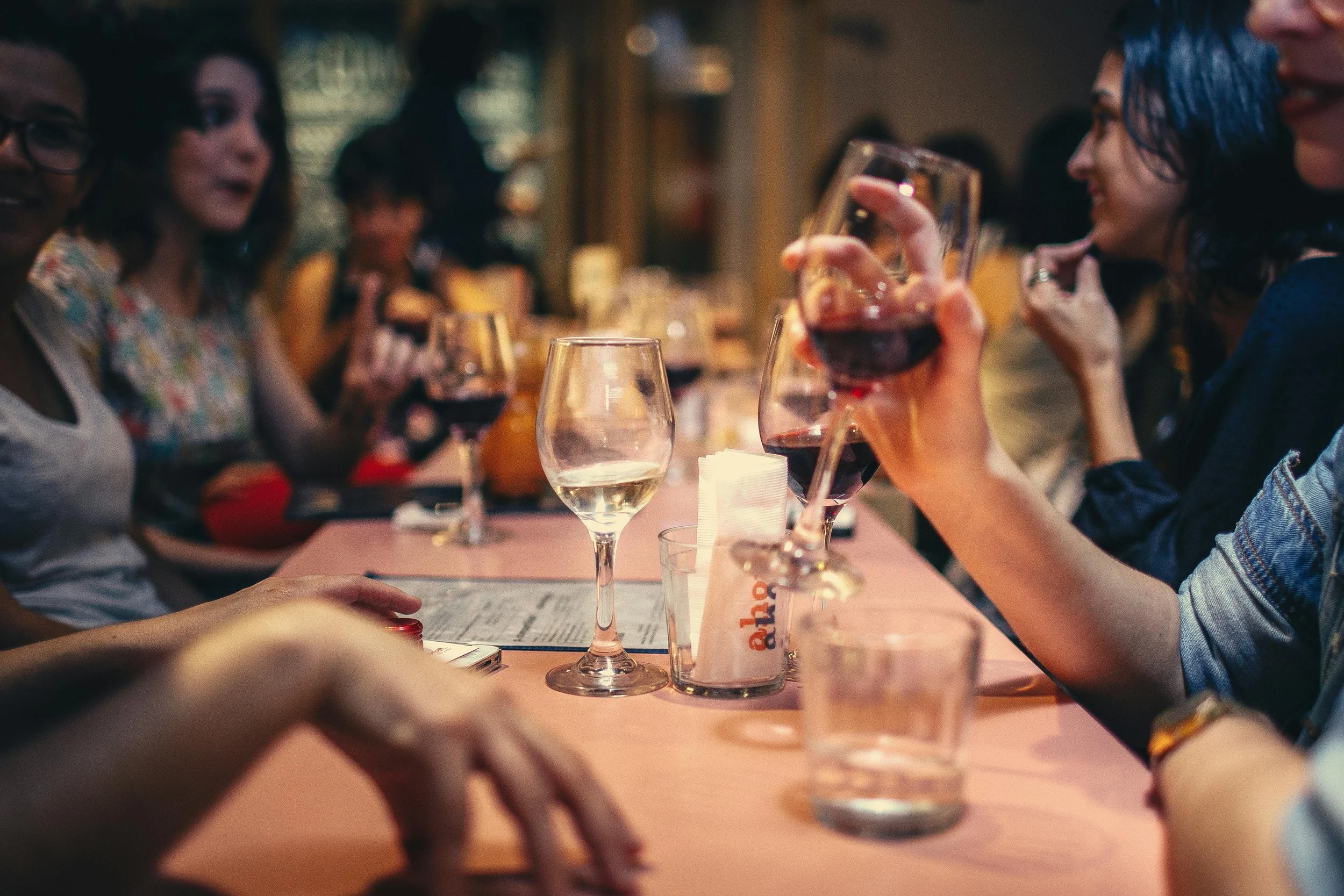
San Francisco's dating market runs on a myth that turns out to be more interesting once you actually check it. Ask around and you'll hear the city has a massive surplus of single men — a straightforward story about a tech industry that skews male flooding the dating pool with too many guys chasing too few women. Check the Census data and the citywide ratio is close to even, roughly 50/50. But dig one layer deeper, into the specific age brackets and education levels people are actually dating within, and the imbalance reappears in a stranger shape than the myth suggests — real in some cohorts, illusory in others, and consistently misread by the people living through it.
What isn't in dispute is San Francisco's other defining trait: its professional culture bleeds directly into its dating culture in a way few other cities can match. One survey of San Francisco singles found 73% naming work as their single biggest obstacle to dating, and 45% saying they meet people through work and essentially nowhere else. That's a city where the line between "networking" and "dating" has functionally collapsed — which makes it a particularly sharp test case for whether the format that works for one also works for the other.
The dating math in San Francisco specifically
San Francisco holds a relatively small population for a major dating market — a bit over 870,000 residents, with a median age around 38 — inside a Bay Area whose gender-ratio reputation has outpaced its data for years. Citywide, the male-to-female ratio sits close to 50/50. But independent analysis of 2023 Census data found the real story hides in the cross-section: among 20-somethings, college-educated women actually outnumber college-educated men; by the 30s there's a rough illusion of parity; and the gap reopens in the 40s. Much of the popular "surplus of single men" narrative, that same analysis found, describes San Jose far more accurately than San Francisco itself — a nearby but distinct market with a genuinely lopsided ratio, wrongly folded into San Francisco's reputation by geographic conflation.
What San Francisco's dating data agrees on, regardless of which gender-ratio story you believe, is the intensity of its work culture. With roughly 1 in 4 jobs in tech, and average date costs running $85 to $120, local surveys describe a dating pool that is simultaneously career-obsessed and starved for a way to meet people outside of work — 78% of SF singles report using dating apps, a rate high enough that local matchmakers describe it as leading directly to oversaturation and burnout rather than to relationships.
The networking math in the same city
Now hold that up against how the city's professionals meet each other for business, because San Francisco's tech-driven economy has built one of the most active, highest-stakes professional networking cultures of any U.S. city — and it hasn't suffered the same burnout story its dating scene has.
The same forces that make San Francisco's dating culture so work-saturated — a dense concentration of startups, venture capital, and a workforce defined by constant hiring and company formation — are exactly what makes structured, in-person introduction indispensable professionally. An estimated 85% of jobs are filled through networking rather than public job listings, referred hires onboard roughly 47% faster than job-board hires, and near-universal agreement exists among professionals that in-person interaction produces stronger, more durable relationships than digital alternatives. In a city where nearly half of singles report meeting people through work as their primary channel, the professional networking format isn't separate from the dating problem — it's the thing already absorbing most of the city's actual capacity for meeting new people.
NetworkNite's San Francisco run is itself evidence
The clearest local proof that structured, in-person introduction converts strangers into real outcomes here comes from watching how deep the format's roots run in this specific city.
NetworkNite describes itself as "the leader in San Francisco business networking," with structured, host-led events at S&R Lounge inside Hotel Zetta and other venues around the city that the company says have "facilitated thousands of local connections" as part of a global network spanning more than 4,900 verified events and 150,000-plus introductions. The mechanics are unchanged from the format's national rollout: professionals rotate one-on-one every five to six minutes, guided through the room by a host, with a private Connect-Card system for flagging who to follow up with afterward — a structured alternative in a city whose informal networking culture already runs at a volume most other metros don't approach.
That NetworkNite has held the "leader" position specifically in San Francisco, a city this saturated with informal mixers, pitch nights, and startup meetups, says something the dating data can't: structure beats volume here even in a market that already has plenty of volume to spare.
What the gap actually reveals
Put San Francisco's dating data and networking data side by side and the story isn't really about a gender ratio at all — that turns out to be mostly myth, misapplied from a neighboring market. It's about a city whose work culture has absorbed nearly all of its social bandwidth, producing a professional networking scene sophisticated enough to convert strangers into real business outcomes reliably, and a dating scene running largely on an app model that's produced burnout at a rate — 78% usage, oversaturation cited directly by local matchmakers — most cities haven't reached.
San Francisco's dating market isn't underperforming because of a myth about too many men. It's underperforming because the format doing the actual work of connecting strangers here — structured, in-person, work-adjacent — has already been proven by the city's own professional culture and simply hasn't been applied to the other half of the problem.
Relish hosts structured social evenings for driven San Francisco professionals, applying the same live, in-person introduction format that has powered the city's networking scene to the problem of actually meeting someone. Find an evening in San Francisco →