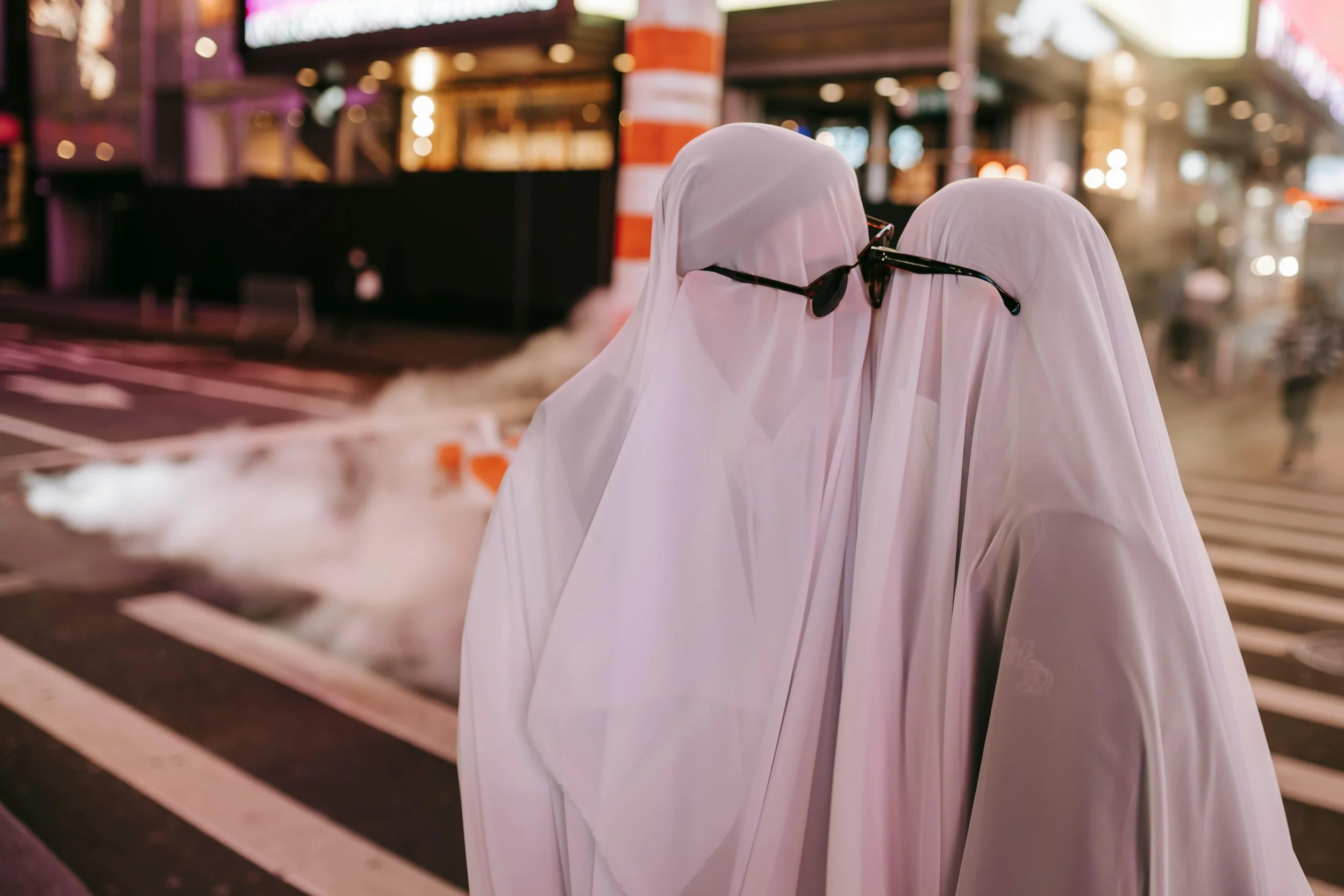
Seattle has a reputation. You know the one.
The Seattle Freeze — the widely held belief that this city of polite, coffee-clutching, outdoorsy introverts will smile warmly at you, wish you well, and never quite become available for anything more specific — is one of the most persistent reputations in American city culture. It has been written about in the Seattle Times, documented in academic research, dissected by dating coaches, and confirmed by transplants from the Midwest who moved here certain it was a myth and discovered, within six months, that it was not.
The Axios Seattle reporting from January 2026 is the most recent and most specific documentation of how the freeze feels from the inside. Haley Van Dyck, 34, moved from the Midwest a few years ago. She joined a running club. She attended singles activities. She leaned into hobby-based social groups. She did everything the alternative-to-apps literature recommends. "When I approach people, they open up," she told Axios. "But nobody approaches me."
Elizabeth McMahan-Flack, 32, who has dated in multiple cities, described Seattle's dating culture as "more guarded and more emotionally draining" than anywhere she has previously lived. "There's a lot of desperation," she said, "but also a real unwillingness to change or put in the work to maintain a relationship." She confirmed that ghosting is common and emotional fatigue is widespread.
And then MyCheekyDate published its Smart-Card data from 17 years of Seattle structured dating events, and the number sitting at the top of the analysis was 88%.
88% match rate. 2.9 average mutual matches per evening. Well above the national average of 2.3. Matching the strongest markets in a 60-city network.
These are the same people. The same city. The same freeze. A different room.
The statistics of a city that hides in plain sight
Seattle has approximately 750,000 residents and 4 million in the metro area. About 11% of the city's roughly 2 million singles have used online dating services in the past 30 days, per Nielsen data — the second-highest rate of any large metro area in the country, behind only Washington DC.
Read that again. The city with the most famous reputation for refusing to connect with strangers is the second most avid user of dating apps of any major American metropolitan area.
This is not a paradox. It is a description of a city that desperately wants to connect and has found the available mechanisms for doing so specifically and systemically inadequate. The app is the freeze in digital form: you can see someone's profile for months without ever speaking to them, and the social norm that prevents Seattleites from approaching strangers translates directly into a matching environment where the conversation never quite starts, the date never quite gets scheduled, and the ghosting that Elizabeth McMahan-Flack confirmed is common does exactly what the freeze does in person — provides warmth at a distance and withdrawal when anything more specific is required.
76% of Bumble's Seattle user base is male, according to dating app data. Significantly more men than women populate the tech-heavy neighbourhoods of South Lake Union, Bellevue, and the surrounding Amazon and Microsoft corridors. The gender ratio in Seattle resembles Denver's — more men than women in the 25-45 bracket — but with a specific tech professional overlay that produces the additional variable of social introversion. The engineers and programmers who form a disproportionate share of Seattle's dating pool are, by both stereotype and documented observation, "more comfortable behind screens than face-to-face" and "struggling with small talk" in ways that compound the freeze's effect at the app level.
The result is a city of highly educated, financially secure, genuinely interesting people generating enormous amounts of digital dating activity and producing, in the apps, exactly the emotional fatigue and widespread ghosting that the Axios reporting documented.
What the freeze actually is, and what it isn't
The Seattle Freeze is not coldness. This is the most important distinction, and the one that the MyCheekyDate data illuminates most precisely.
"Seattle daters are not cold," the Smart-Card analysis concluded after 17 years of events. "They are careful."
The distinction matters. Coldness is a character trait. Carefulness is a response to a social environment that has normalised non-approach and made the expression of genuine interest feel like an imposition. The Pacific Northwest privacy ethic — the deep, genuine respect for personal space that the region's culture has cultivated — treats unsolicited approach as a potential intrusion. The Seattleite who will not approach you at the coffee bar is not deciding they don't like you. They are operating within a social norm that says your space is yours unless you indicate otherwise.
The indication never comes. And so the connection that could have happened in week one of three weeks of standing next to each other at the same Victrola doesn't happen at all.
The ghosting that McMahan-Flack confirmed is common is the digital version of the same phenomenon. The app conversation that never quite advances to a date. The match that produces pleasant exchanges for three weeks and then loses momentum not through any active decision but through the accumulated weight of a social mode that treats non-initiation as the default. Nobody decided to ghost. Nobody decided not to ghost. The freeze simply extended itself into the medium.
What 88% means
The MyCheekyDate Smart-Card data from May 2026 is the most important Seattle dating finding of the year, and it deserves to be understood precisely.
88% match rate at Seattle structured events. 2.9 average mutual matches per evening, versus a national average of 2.3. 73% of first-event non-matchers who returned for a second event finding a match at that event.
"That is not a frozen city," the analysis concluded. "That is one of the warmest dating markets in our entire 60-city network."
The reason is the one established in the Seattle Freeze's definition: the freeze is a response to environments that normalise non-approach. A structured dating event is an environment where approach has been removed from the equation. The introduction is the format, not the social exception. The purpose is explicit. The social permission is not merely for presence but for genuine disclosure. The matching process removes the social cost of expressing interest — the Seattleite who will not initiate in any ambient social context will, in a private matching system, indicate their genuine preference honestly.
And when Seattle daters indicate their genuine preference, the data shows, they do so with a 88% confirmation rate.
The freeze was always a surface phenomenon. The Smart-Card data is the most specific evidence available that the city underneath it is not frozen at all.
It is careful. When it chooses, it chooses well. 88% of the time, someone is choosing right back.
The coffee date, revisited
Seattle's commitment to the coffee date — the city with more coffee shops per capita than anywhere on earth, averaging $54 per person per month on coffee — has produced the dating format most compatible with the freeze: low-stakes, familiar, non-committal, the specific permission to be present without being available.
The Seattle dater can be at the same Caffe Vita on Capitol Hill on the same Saturday morning for six months and produce exactly zero connections that advance beyond pleasant awareness of each other's existence. This is not a failure of charm or effort. It is the freeze operating in its most comfortable native environment: the social institution specifically designed to accommodate presence without initiation.
What the data from 17 years of structured events in this city shows is that removing the coffee and the comfortable ambient presence and replacing them with a room where everyone has shown up specifically to meet someone produces an entirely different outcome.
The freeze, in a room where showing up is itself an act of initiation, has nothing to freeze.
What Seattle is, under the reputation
The MyCheekyDate Smart-Card analysis noted something that the Axios reporting, focused on the freeze's discomforts, did not quite capture.
Seattle daters love their city with a specific fierceness that shows up in structured event rooms immediately. Not civic boosterism — something quieter and more genuine. An attachment to place that comes from mountains visible on clear days, from water that defines the geography, from a city built for people who wanted something different from everywhere else.
That love of place becomes an instant common language. The question "what made you stay?" — the specific Seattle version of the dating question that opens everything else — produces, in a room of people who have all chosen this city, conversations that the Axios piece's coffee-bar encounters cannot generate. Both people are already in agreement on the most important question. Everything else is exploration.
11% of Seattle's singles are on dating apps right now. 88% of the ones who showed up to a structured event last month matched with someone.
The freeze is not the city's character. It is the city's social mode, responsive to format in ways that 17 years of data have now demonstrated with considerable specificity.
The reputation is the worst in America. The results, in the right room, are the best in the network.