
In most cities, "What do you do?" is small talk. In Washington, it's closer to a security clearance.
The follow-ups come fast. Who do you work for? Which office? Which agency, which firm, which side of the aisle? By the time the drinks arrive on 14th Street, you've mapped the person across the table onto the org chart of federal Washington, and learned almost nothing about whether you'd enjoy a second evening with them.
It's not a date. It's a background check with a cocktail menu.
This guide looks at why DC pushes professionals into work mode on dates, what the research says about fixing it, and how to have a first date that feels like a conversation instead of a confirmation hearing.
The short answer
Why do first dates in Washington DC feel like job interviews? Because DC is a city where professional identity and access matter enormously. "Who do you work for?" is the standard opener, credentials are everywhere, and politics can feel like a dealbreaker, so people screen dates the way they'd vet a new hire.
How do you stop? Skip the org-chart questions as openers, ask follow-up questions about what your date actually says, and share something real before asking for it in return. Research on speed dating found that people who asked more follow-up questions were more likely to get a second date.
Why Washington makes it worse
Four things about DC push professionals into work mode, even on a Saturday night.
"Who do you work for?" is how the city works. Government, the Hill, law, lobbying, consulting, think tanks and nonprofits all run on access and affiliation. Knowing where someone sits tells you a lot professionally. On a date, it turns the first half hour into org-chart mapping.
It's the most credentialed city in the country. According to Census data compiled by USAFacts, 63% of DC residents aged 25 and over hold at least a bachelor's degree, and about 38% have a graduate degree as their highest qualification. Nationally, the graduate-degree figure is about 14%. When impressive résumés are the norm, people fall back on comparing them.
Politics can feel like a screen. In a city where many people work in or near policy, politics often comes up early. It's reasonable to care about shared values. But treating a first date as a vetting session for them usually happens before you know anything else about the person.
The city is always turning over. Election cycles, administration changes, fellowships and two-year postings mean many people aren't sure how long they'll be in DC. That uncertainty pushes people to qualify dates quickly, as if there's no time to let something develop.
What the research says
The fix isn't a stronger résumé. It's better questions.
Follow-up questions win second dates. A 2017 Harvard study of real speed-dating conversations found that people who asked more questions were liked more and were more likely to get a second date. The effect came mainly from follow-up questions, the ones that respond to what someone has just said.
Deeper conversation lands better than you expect. Research by Kardas, Kumar and Epley (2022) found that people underestimate how much strangers enjoy a more personal conversation. Staying on safe, professional ground is usually overly cautious.
You probably did better than you think. The "liking gap" study by Boothby and colleagues (2018) found that people underestimate how much their conversation partner liked them. If you ride the Red Line home drafting a post-date debrief, you're probably marking yourself down.
For the full breakdown, read Stop Interviewing Your Dates on The Edit.
The DC swaps
Instead of "Who do you work for?" try "What's your favorite thing to do in DC that has nothing to do with work?" Everyone has a go-to trail in Rock Creek Park, a Sunday market or a favorite museum they keep going back to.
Instead of "Which office?" or "Which agency?" ask what drew them to Washington in the first place. Most people came here because they care about something, and that's worth knowing.
Instead of testing their politics in the first twenty minutes, ask what they care about most right now. You'll learn about their values without turning dinner into a debate.
Instead of "How long are you in DC for?" ask which neighborhood feels most like home and why. It reveals what they value, whether they stay two years or twenty.
Instead of moving to your next question, ask about the answer they just gave. Follow-ups are what drove liking in the research.
Instead of reaching a verdict before the check, ask yourself one thing: "Would I happily spend another evening with this person?" You don't need a full briefing to decide that.
Talking about your work when it's political, sensitive or on the Hill
DC has a problem other cities don't: a lot of people can't say much about their jobs, or would rather not. Some hold clearances. Some work for a member of Congress whose views they don't want to defend over dinner. Some just spend all day being careful about what they say.
The answer isn't to go vague, which reads as evasive. It's to talk about the parts that are yours:
Why you care about the work, not who you work for. "I love the moment a complicated policy finally makes sense to people" says more than an agency name.
Be upfront about limits. "I can't say much about the specifics, but I can tell you what the days are like" is honest and easy to hear.
One small, human story. The late night waiting for a vote. The briefing you rewrote on the Orange Line. Specific beats impressive.
A limit on work talk. If you've been talking about your job for ten minutes, ask what they'd be doing if they didn't live in Washington.
Where to practice: Relish evenings in Washington DC
The vetting habit is hardest to break on a one-to-one date, with a whole evening ahead and pressure to reach a verdict. A structured evening takes that pressure away.
At a Relish DC evening, you meet 8 to 12 accomplished singles in conversations of five to seven minutes each. There's no time to work through someone's CV, only enough time to get curious about one thing and follow it. Afterwards, you privately select who you'd like to see again, and mutual matches arrive the next day.
Recent DC evenings have been held at:
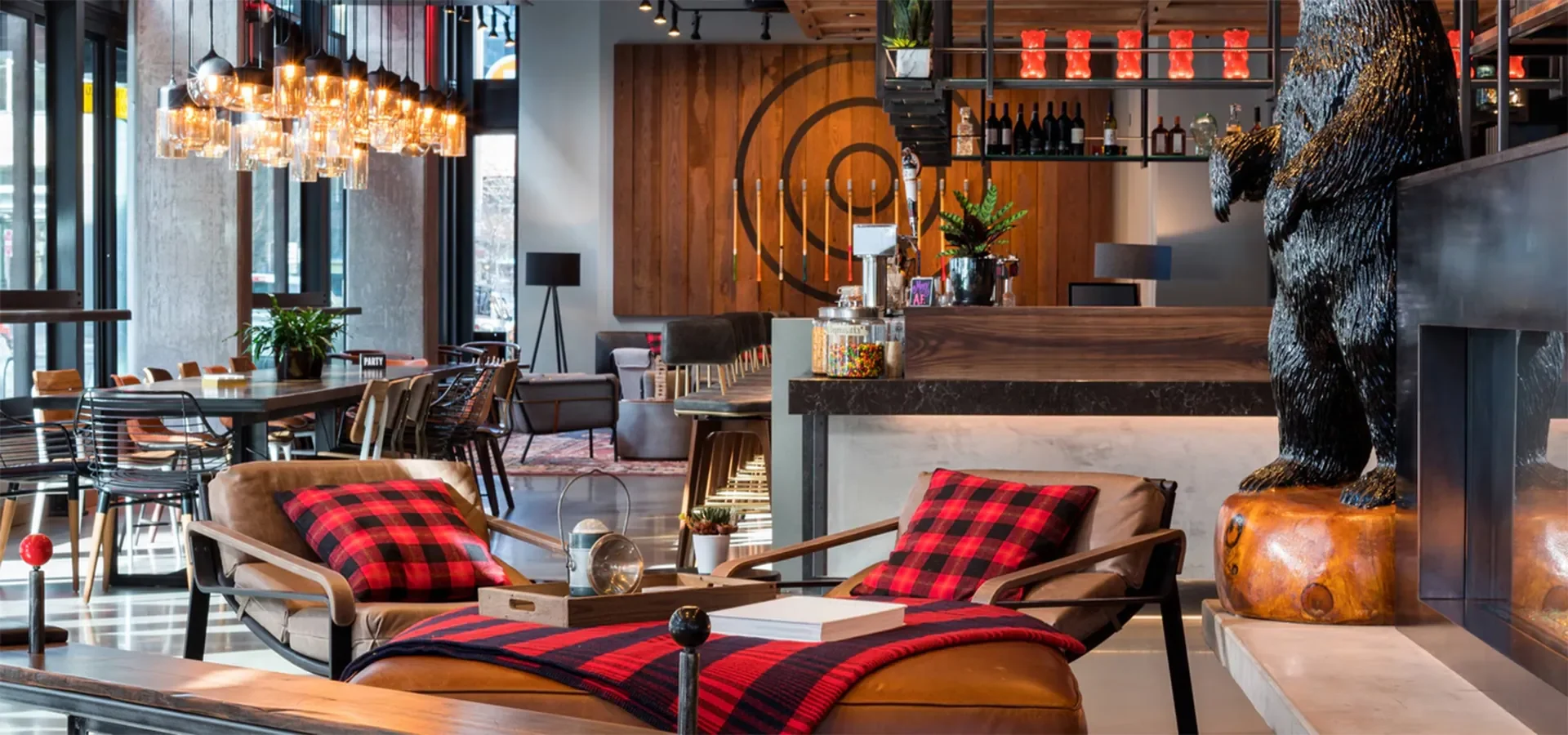
Hotel Zena, 14th Street near Thomas Circle (1155 14th St NW).
Public Bar Live, Dupont Circle (1214 18th St NW).
The Pub & The People, Bloomingdale (1648 North Capitol St NW).
Evenings run in age bands, including 24–38, 29–42, 32–44 and 36–48, so the room matches your life stage.
Frequently asked questions
Why is dating in Washington DC hard for professionals? DC is the most credentialed city in the US, with about 38% of adults holding a graduate degree. Combined with a work culture built on affiliation and access, that pushes people to vet dates by job, employer and politics instead of getting to know them.
Is it rude to ask "Who do you work for?" on a first date in DC? No, but it shouldn't be the opener. It turns the conversation into org-chart mapping. Ask what drew them to Washington first. When work comes up, ask why they care about it and follow up.
Should you talk about politics on a first date in DC? Shared values matter, and politics will come up. But testing someone's views in the first twenty minutes usually shuts conversation down. Ask what they care about most right now; you'll learn about their values without a debate.
What if I can't talk about my job on a date? Say so plainly, and talk about what you can: why you care about the work and what your days are like. Being upfront about limits reads as honest, not evasive.
Where can professionals meet singles in Washington DC outside of dating apps? Structured events are one of the most time-efficient options. Relish hosts speed dating evenings for professionals near Thomas Circle, in Dupont Circle and in Bloomingdale, where you meet 8 to 12 singles in one evening.
Sources
USAFacts, Which states are the most educated? (2023, using Census American Community Survey data).
Huang, K., et al. (2017). It doesn't hurt to ask: Question-asking increases liking. Journal of Personality and Social Psychology.
Kardas, M., Kumar, A., & Epley, N. (2022). Overly shallow? Journal of Personality and Social Psychology.
Boothby, E. J., et al. (2018). The liking gap in conversations. Psychological Science.
Relish has hosted structured social evenings for driven professionals across 50+ cities since 2014, including Washington DC. Find an evening in DC →