
Chicago daters are famously friendly. That's part of the problem.
The conversation starts warm and easy, and then settles into a pattern every Loop professional knows by heart. What do you do? Which firm? Where'd you go to school? North Side or South Side? By the time the second round arrives in River North, you've efficiently placed the person across from you on a map of Chicago, and learned almost nothing about whether you'd like to see them again.
It's not a date. It's a very pleasant first-round interview.
This guide looks at why Chicago's work culture and calendar push professionals into work mode on dates, what the research says about fixing it, and how to have a first date that feels like a conversation.
The short answer
Why do first dates in Chicago feel like job interviews? Because Chicago professionals often default to the city's standard sorting questions: job, firm, school and neighborhood. Add the most congested roads in the country and a short dating season before winter, and people screen dates quickly instead of getting to know them.
How do you stop? Skip the sorting questions as openers, ask follow-up questions about what your date actually says, and share something real before asking for it in return. Research on speed dating found that people who asked more follow-up questions were more likely to get a second date.
Why Chicago makes it worse
Three things about the city push professionals into work mode, even on a Friday night.
The Loop runs on credentials. Trading, finance, law, consulting and corporate headquarters shape a lot of professional life in Chicago. Those industries reward quick, efficient sorting: which firm, which school, which team. It's a useful habit at a client dinner. On a first date, it turns the first half hour into an exchange of résumés.
The most congested roads in the country. Chicago drivers lost about 112 hours to traffic in 2025, the most of any US city, according to the INRIX 2025 Global Traffic Scorecard. The national average was 49. When getting from Lincoln Park to the West Loop takes real effort, every evening feels like it needs to pay off, so people reach a verdict fast.
Winter compresses the calendar. Many Chicagoans date with one eye on the weather. Summer and early fall are for getting out; winter is for staying in. That seasonal pressure makes people treat first dates as auditions for cuffing season rather than as a chance to enjoy someone's company.
What the research says
The fix isn't a sharper résumé. It's better questions.
Follow-up questions win second dates. A 2017 Harvard study of real speed-dating conversations found that people who asked more questions were liked more and were more likely to get a second date. The effect came mainly from follow-up questions, the ones that respond to what someone has just said.
Deeper conversation lands better than you expect. Research by Kardas, Kumar and Epley (2022) found that people underestimate how much strangers enjoy a more personal conversation. Polite small talk is usually overly cautious.
You probably did better than you think. The "liking gap" study by Boothby and colleagues (2018) found that people underestimate how much their conversation partner liked them. If you ride the Brown Line home replaying every answer, you're probably marking yourself down.
For the full breakdown, read Stop Interviewing Your Dates on The Edit.
The Chicago swaps
Instead of "What do you do?" try "What's your go-to spot in your neighborhood?" Every Chicagoan has a favorite bar, taqueria or corner of the lakefront, and the answer tells you far more than a job title.
Instead of "Where'd you go to school?" ask whether they grew up here or chose Chicago. Both answers come with a story, and neither fits on a résumé.
Instead of "North Side or South Side?" as a sorting question, ask what they'd show a friend visiting for the first time. It reveals taste, not tribe.
Instead of "Which firm are you with?" ask what the best part of their week was. It shows you who they are outside the building.
Instead of moving to your next question, ask about the answer they just gave. Follow-ups are what drove liking in the research.
Instead of deciding by last call, ask yourself one thing: "Would I brave a January night to see this person again?" In Chicago, that's a serious compliment.
Talking about your work, Chicago style
Chicago professionals tend to fall into one of two traps. Some give the polished Loop version, all firm names and deal sizes. Others go full Midwest modest and say almost nothing at all. Neither tells your date much about you.
What works is somewhere in between:
Why you care about the work, not where you do it. "I love figuring out what a client actually needs" beats the name on the building.
One small, specific story. The pitch you prepped on the Metra. The client call you took from the Riverwalk. Specific beats impressive.
Honest, not modest. If you're proud of something, say so plainly. Downplaying everything reads as guarded, not humble.
A limit on work talk. If you've been talking about your job for ten minutes, ask what they'd be doing if they didn't live in Chicago.
Where to practice: Relish evenings in Chicago
The interview habit is hardest to break on a one-to-one date, when you've made the trip across town and the evening has to count. A structured evening takes that pressure away.
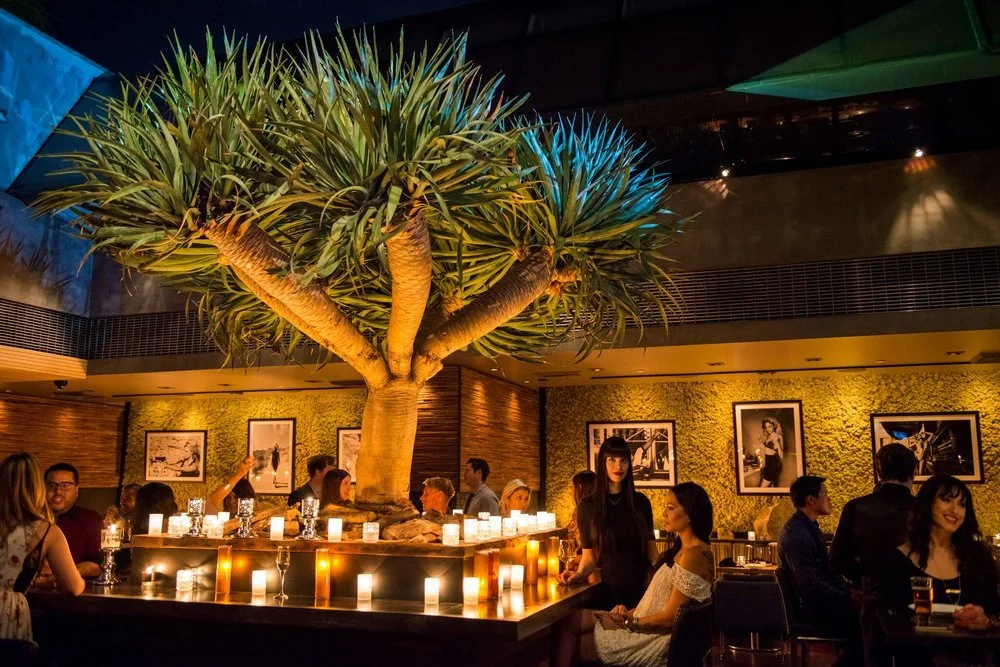
At a Relish Chicago evening, you meet 8 to 12 accomplished singles in conversations of five to seven minutes each. There's no time to run through the sorting questions, only enough time to get curious about one thing and follow it. Afterwards, you privately select who you'd like to see again, and mutual matches arrive the next day.
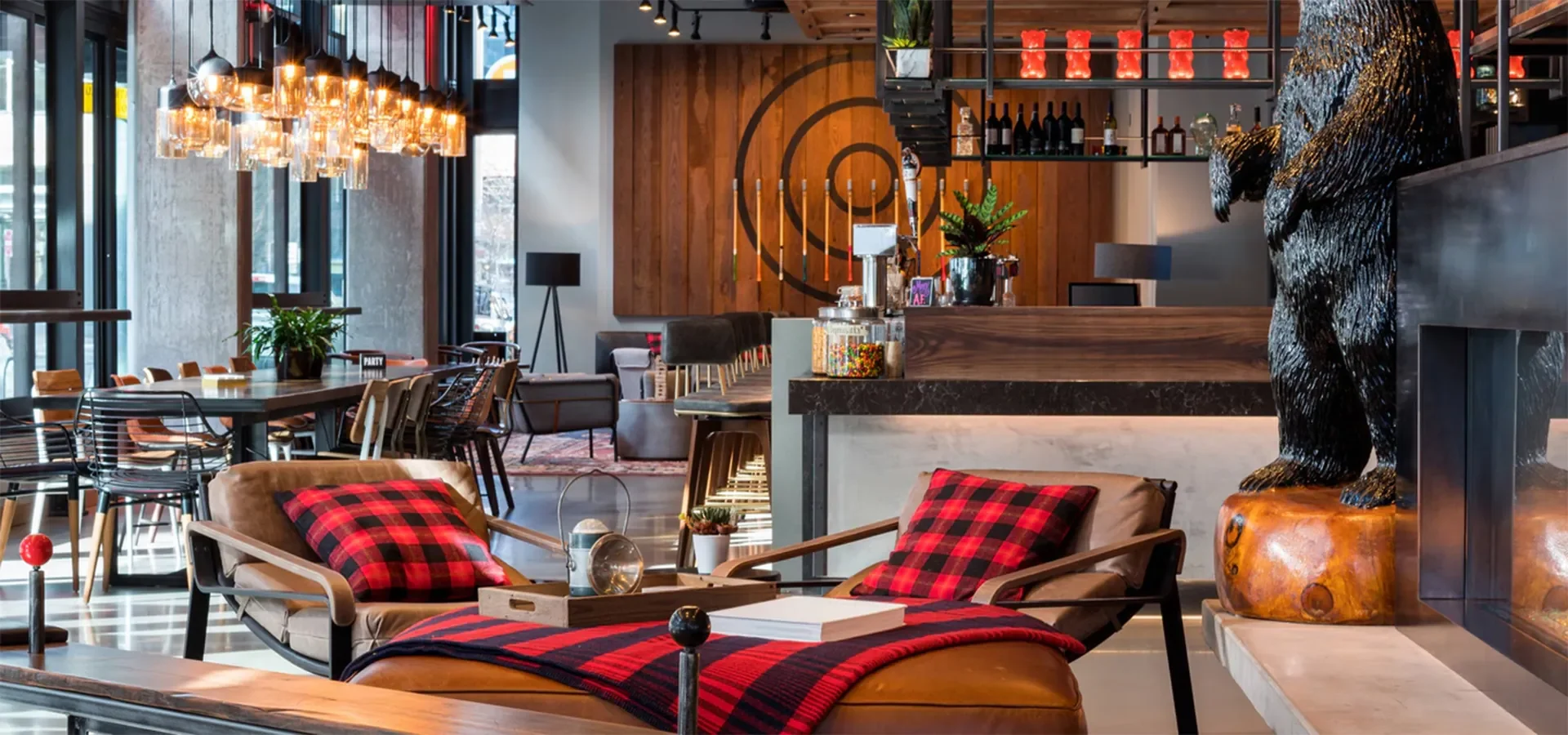
Recent Chicago evenings have been held in and around the West Loop and River North:
Recess, River West (838 W Kinzie St).
Tabu, West Loop (401 N Morgan St).
Untitled Supper Club, River North.
Evenings run in age bands, including 25–39 and 36–48, so the room matches your life stage. Book a summer or early fall evening and you'll beat the winter slowdown.
Frequently asked questions
Why is dating in Chicago hard for busy professionals? Chicago combines a credentials-driven work culture with the most congested roads in the US. Drivers lost about 112 hours to traffic in 2025. Add a long winter that shrinks the social calendar, and people tend to screen dates quickly instead of getting to know them.
Is it rude to ask "Where'd you go to school?" on a first date in Chicago? No, but it works better later in the conversation. As an opener, it sorts rather than connects. Ask whether they grew up in Chicago or chose it, and follow up on the story.
Is it harder to date in Chicago in the winter? Many Chicagoans find it is, because people go out less between December and March. Meeting several people in one evening, in one warm room, is an efficient way to keep dating through the colder months.
Where can professionals meet singles in Chicago outside of dating apps? Structured events are one of the most time-efficient options. Relish hosts speed dating evenings for professionals in the West Loop, River West and River North, where you meet 8 to 12 singles in one evening.
Sources
INRIX, 2025 Global Traffic Scorecard: US results (December 2025).
Huang, K., et al. (2017). It doesn't hurt to ask: Question-asking increases liking. Journal of Personality and Social Psychology.
Kardas, M., Kumar, A., & Epley, N. (2022). Overly shallow? Journal of Personality and Social Psychology.
Boothby, E. J., et al. (2018). The liking gap in conversations. Psychological Science.
Relish has hosted structured social evenings for driven professionals across 50+ cities since 2014, including Chicago. Find an evening in Chicago →